
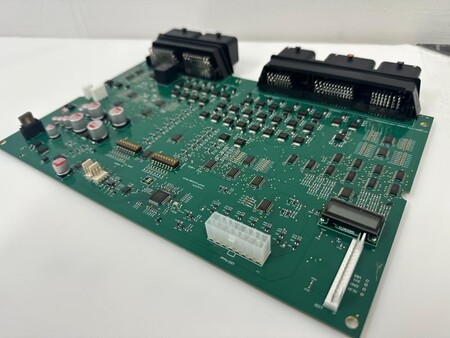

In electronics manufacturing, delays don’t usually happen because people aren’t trying hard enough. More often, projects slow down because of small issues early on that gradually create bigger problems later in the process.
At Flux Rose, we work across electronics design, PCB assembly, wiring harnesses, box builds, and full electronic manufacturing projects, and over the years, we’ve seen a few common causes of delays appear time and time again.
The good news is that most of them are avoidable with the right planning, communication, and manufacturing support from the beginning.
Here are five of the biggest causes of delays in electronic projects.
1. Missing Information
One of the most common delays we see starts right at the beginning of a project.
A build may arrive with incomplete documentation, missing Gerber files, unclear assembly requirements, or an unfinished BOM. Sometimes everything appears ready to go at first glance, but small gaps in information can quickly pause production while details are clarified.
At Flux Rose, we always try to review projects thoroughly before production begins so potential issues can be identified early rather than halfway through a build.
A smoother handover at the start almost always leads to a smoother manufacturing process overall.
2. Late Design Changes
Design updates are a normal part of product development, especially during prototype and early production stages. But changes introduced once manufacturing has already started can create significant knock-on effects.
A single component change might require:
- updated sourcing
- PCB revisions
- assembly process changes
- revised testing procedures
- or additional validation work
At Flux Rose, we regularly support customers through design revisions and engineering changes, but the earlier those conversations happen, the easier it is to keep projects moving without affecting lead times.
Early collaboration really does make a huge difference.
3. Component Shortages
Component availability remains one of the biggest challenges within the electronics industry.
Even now, certain parts can suddenly move from standard availability to long lead times with very little warning. In some cases, a single unavailable component can delay an entire production run.
This is where experience and supplier relationships become incredibly important.
At Flux Rose, we work closely with trusted suppliers and always try to identify potential availability risks as early as possible. Where suitable, we can also help customers explore alternative component options before shortages become a problem.
Planning ahead is often the difference between a project staying on track or facing unexpected delays.
4. Unrealistic Lead Times
Everyone wants products delivered quickly, and we completely understand why. But quality electronics manufacturing involves far more than simply placing components onto a board.
Behind every build there’s:
- sourcing
- programming
- SMT setup
- inspection
- hand assembly
- testing
- and quality control processes
At Flux Rose, we believe it’s important to be realistic and transparent about production timelines. Rushing a project too heavily can sometimes create more problems than it solves.
Good manufacturing should always balance speed with quality and reliability.
5. Poor Communication
In many ways, this is the biggest one of all.
The projects that run most smoothly are usually the ones where communication is clear from the beginning. Quick approvals, regular updates, and early discussions around potential issues can prevent delays before they happen.
At Flux Rose, we always aim to work closely with customers throughout the manufacturing process, not just when something goes wrong. Strong collaboration between design, procurement, engineering, and production teams makes a huge difference to keeping projects moving efficiently.
Final Thoughts
Most electronic project delays aren’t caused by one major failure. They’re usually the result of smaller issues building up over time.
At Flux Rose, we’ve built our processes around helping customers avoid those issues wherever possible. Through early design input, manufacturing support, sourcing expertise, or open communication throughout a project.
Because when projects run smoothly, everybody benefits.